

Camping Gear
Camping gear includes all the essential equipment and accessories you need for a safe, comfortable, and enjoyable outdoor experience. From tents and sleeping bags to tools and lighting, the right gear helps you stay prepared and make the most of your time in nature.

Tents:
2 person (Amazon.com: 2 Person Tent Waterproof - 2 Person / Rainproof)
4 person (Amazon.com : 4 person tent waterproof)
6 person (Amazon.com : 6 person tent waterproof)
8 person (Amazon.com : 8 person tent waterproof)
Key Considerations for Choosing a Tent:
-
Capacity & Size: Always consider a tent with capacity for 1–2 more people than your party (e.g., a 3-person tent for 2 people) to allow for gear storage. Check for enough peak height to sit up or stand.
-
Seasonality: A 3-season tent is best for general, spring-to-fall camping. Use a 4-season tent only for heavy snow or high-wind alpine conditions.
-
Weather Protection: Ensure the tent has a rainfly that covers the roof (or full-coverage) to keep water out.
-
Ventilation: Mesh panels and vents are crucial to prevent condensation buildup, which makes the interior damp.
-
Durability & Materials: Look for durable materials; aluminum poles are more durable than fiberglass. Check that zippers are sturdy and don't snag.
-
Ease of Setup: For beginners, choose a freestanding tent that can stand on its own before being staked down.
-
Weight & Packing Size: For backpacking, focus on lightweight, compact options. For car camping, weight is less critical.
-
Additional Features: Look for a "footprint" (tarp) to protect the floor from dirt and damage. Vestibules (covered entryways) are great for keeping muddy boots outside.
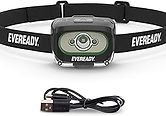
Headlamp:
(Amazon.com: Headlamp - Top Brands)
For camping, prioritize a comfortable, waterproof headlamp with 200–500+ lumens, featuring both adjustable white spot/flood beams and a red light mode to preserve night vision. Choose between convenient rechargeable lithium batteries or versatile replaceable batteries (like AAA) depending on your trip length and access to power.
Key features to look for include:
-
Brightness & Beam: 200–400+ lumens is ideal for general camping and hiking. Look for a flood beam for around camp and a spot beam for hiking.
-
Battery Type: Rechargeable (USB) is efficient for short trips; however, standard AAA batteries are better for long trips away from power, allowing you to carry spares.
-
Red Light Mode: Essential for preserving night vision and not blinding companions.
-
Water Resistance: An IPX4 or higher rating is recommended to handle rain and splashing.
-
Comfort & Adjustability: Look for a lightweight, balanced, and easily adjustable headband.
-
Lockout Mode: A crucial feature to prevent the headlamp from turning on accidentally in your pack.
For more technical, high-speed activities like night hiking or trail running, aim for higher lumen counts of 400-600+.

Sleeping Bag:
(Amazon.com: Sleeping Bags For Adults - $40-$150)
When choosing a sleeping bag for camping, prioritize a temperature rating 10°F lower than the coldest expected, choose between synthetic (durable, handles moisture) or down (lightweight, compact) fill, and select a shape (mummy for warmth, rectangular for space) suited to your style. Consider size, weight, and features like hoods or draft tubes.
Here are the key factors to look for:
-
Temperature Rating: Choose a bag rated 10°F lower than the coldest temperatures you expect to encounter.
-
Insulation Type:
-
Down: Best for backpacking due to high warmth-to-weight ratio and packability.
-
Synthetic: Better for, or car camping, as it is more affordable, retains warmth better when wet, and dries faster.
-
-
Shape and Fit:
-
Mummy: Tapered design that limits dead space, making it efficient for retaining heat and ideal for cold weather.
-
Rectangular: Offers more room to stretch out and move, perfect for casual, warmer, or car camping.
-
Size: Choose a bag that fits your height; extra space makes it harder for your body to heat the bag.
-
-
Key Features:
-
Draft Tubes/Collars: Insulation behind the zipper and around the neck to prevent heat loss.
-
Hoods: Essential for cold weather to seal in heat.
-
Zippers: Look for snag-free zippers, and consider if you want to pair it with another bag.
-
Weight and Packability: If backpacking, prioritize lower weight and smaller packed size. If car camping, weight is less critical.

Base Layer:
Men (Amazon.com: Base Layer Men - $21-$38 / Long Sleeve)
Women (Amazon.com : base layer women)
A good camping baselayer should be moisture-wicking, quick-drying, and comfortable against the skin to regulate body temperature. Prioritize materials like merino wool for odor resistance and warmth (even when wet) or synthetic blends (polyester/spandex) for durability and fast drying. Key features include a snug, non-constrictive fit and proper weight (light, mid, or heavy) for your activity level and expected temperatures.
Key Factors to Consider:
-
Material:
-
Merino Wool: Excellent warmth-to-weight ratio, odor-resistant, and regulates temperature well, but takes longer to dry.
-
Synthetics (Polyester, Nylon, Spandex): Superior moisture-wicking, dries very fast, and more durable, but can retain odor.
-
Blends: Many modern options combine wool and synthetic fibers for the best of both, such as added durability.
-
-
Weight (Thickness):
-
Lightweight: Best for high-exertion activities or warmer, three-season camping.
-
Midweight: Versatile for moderate activity in cool weather.
-
Heavyweight/Expedition: Best for cold-weather camping.
-
-
Fit and Comfort:
-
Form-fitting: A snug, close-to-skin fit is crucial for efficient moisture-wicking, but it should not restrict movement.
-
Seams: Look for flatlock seams to prevent chafing, especially under a heavy backpack.
-
Comfort: Ensure the fabric does not feel itchy against your skin, particularly if choosing wool.
-
-
Odor Resistance: If camping for multiple days, merino wool is superior at remaining odor-free compared to synthetics, which may require specialized odor-resistant finishes.
-
Functionality: Consider keeping a dedicated set of clean, dry baselayers specifically for sleeping.
Quick Recommendations:
-
For active, sweaty hiking: Synthetic blends.
-
For cold, sedentary, or multi-day camping: Merino wool.
-
For general, versatile use: Midweight merino or synthetic blend.

Sleeping Pad:
(Amazon.com: Sleeping Pad - $32-$50 / Adult)
When choosing a camping sleeping pad, prioritize the R-value (insulation), comfort/thickness, pack size/weight, and durability. Key factors include selecting an R-value of 1–2 for summer, 3–4 for three-season, and 5+ for winter, choosing between comfortable inflatable pads (lighter, compact) or durable foam pads (no leaks), and ensuring the size matches your body.
Key Considerations for Sleeping Pads:
-
R-Value (Insulation): This measures resistance to heat loss to the ground. An R-value of 1-2 is suitable for summer, 2–3.9 for cool weather, and 4+ for cold/winter, according to REI.
-
Comfort and Type:
-
Air Pads: Highly comfortable, thick, and packable, but can puncture.
-
Self-Inflating Pads: Combine open-cell foam and air, offering great insulation and comfort.
-
Closed-Cell Foam: Very durable, lightweight, and reliable, but less comfortable.
-
-
Packed Size and Weight: Backpackers should prioritize low weight and compact size, while car campers can prioritize thickness, notes this article from REI.
-
Size and Shape: Choose a pad a few inches longer than your height. Regular is typically 20 inches wide, but wider (25+ inches) or rectangular options offer more comfort for restless sleepers.
-
Noise: Some lightweight insulated air pads can be noisy (crinkly) when moving.
Recommendation: For a balance of weight, comfort, and insulation, an inflatable pad with an R-value of 3–4 is ideal for most three-season, non-winter camping.

Electronic Handwarmers:
(Amazon.com: Electronic Hand Warmers Rechargeable - $15-$41)
For camping, choose electric hand warmers with long battery life (at least 4-8+ hours), adjustable heat settings, and a durable, waterproof or weather-resistant metal casing. Prioritize compact, dual-sided heating models that feel comfortable in hand and can act as a USB power bank for charging devices.
Here is what to look for in detail:
-
Battery Life and Capacity: Look for at least 4 hours of heat on high, or up to 8–10 hours on lower settings for full-day trips. Higher mAh (milliamp-hour) ratings indicate longer runtimes, with 7800mAh+ being ideal for, say, a Beskar warmer.
-
Heat Levels and Speed: Select devices with multiple heat settings to adjust for ambient temperature. The best options heat up in seconds (e.g., up to).
-
Durability and Weather Resistance: Camping gear must handle abuse. Choose metal (aluminum or stainless steel) casings over plastic for better durability and heat conduction. Ensure they are water-resistant to withstand rain or snow.
-
Size and Ergonomics: The device should fit comfortably in your palm or pocket. While larger batteries provide more heat, they are bulkier; compact models are better for hiking.
-
Multi-Purpose Functionality: Many rechargeable warmers, such as Ocoopa models, double as portable power banks to charge your phone or camera in the field.
-
Heating Surface: Dual-sided heating is superior to single-sided, ensuring both palms and fingers stay warm.
Key Takeaway: For long, cold camping trips, prioritize a rugged metal, 10,000mAh+ capacity unit with fast charging. For quick, light hiking trips, a smaller 5,000mAh unit is sufficient.

Camping Chair:
(Amazon.com: Camping Chairs - $0-$58)
When choosing a camping chair, prioritize comfort (lumbar support, padding, seat height), portability (weight, packed size), and durability (metal frame, sturdy fabric) based on your needs. For backpacking, focus on lightweight, compact options, while car camping allows for sturdier, more comfortable chairs with features like cup holders and coolers.
Here is a detailed breakdown of what to look for:
-
Comfort & Support: Look for padded seats, backrests, and armrests. If you have knee or back issues, opt for a higher seat height for easier entry/exit. Ergonomic designs and adjustable recline settings improve comfort during long periods of sitting.
-
Weight & Portability:
-
Backpacking: Aim for chairs under 3 lbs that fold compactly.
-
Car Camping: Weight matters less, so prioritize larger, more robust options.
-
-
Durability & Materials:
-
Frame: Aluminum is lightweight and corrosion-resistant, while steel offers higher durability and weight capacity.
-
Fabric: Nylon or polyester with reinforced stitching is ideal for longevity.
-
-
Stability: Ensure the chair has a wide base or non-slip feet to prevent tipping on uneven or soft ground.
-
Features: Consider extra amenities like cup holders, mesh storage pockets, and headrests.
-
Weight Capacity: Check the maximum weight limit to ensure the chair safely supports you, with heavy-duty options available for higher weight requirements.
It is highly recommended to sit in chairs in person to ensure they fit your body type and, if possible, test them on uneven terrain.